
If you’re trying to figure out how often to pump septic tank, the honest answer is that it depends on your household, your tank size, and how well you keep up with septic tank service. Getting the schedule right doesn’t just prevent messy backups—it also helps you protect the average septic tank lifespan and avoid major repair bills.
What Affects How Often You Need Septic Tank Pumping?
Every septic system is a little different, but a few key factors decide how quickly your septic tank fills up and when tank pumping is required:
- The number of people in the household
- How much water your home uses every day
- What goes down your drains and toilets
- The overall capacity and tank size
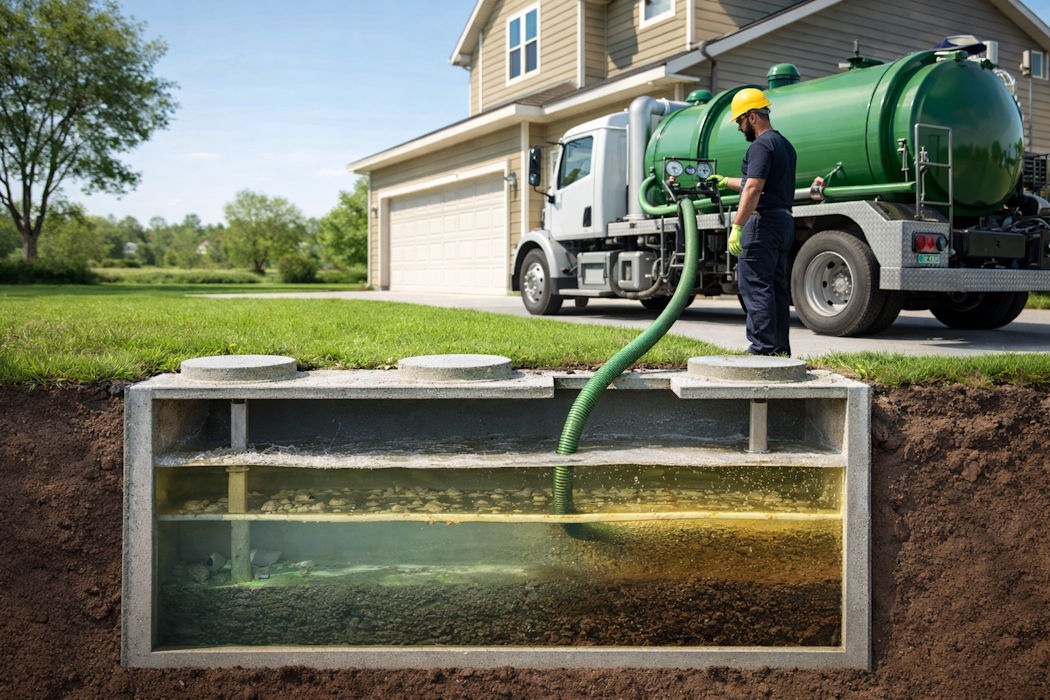
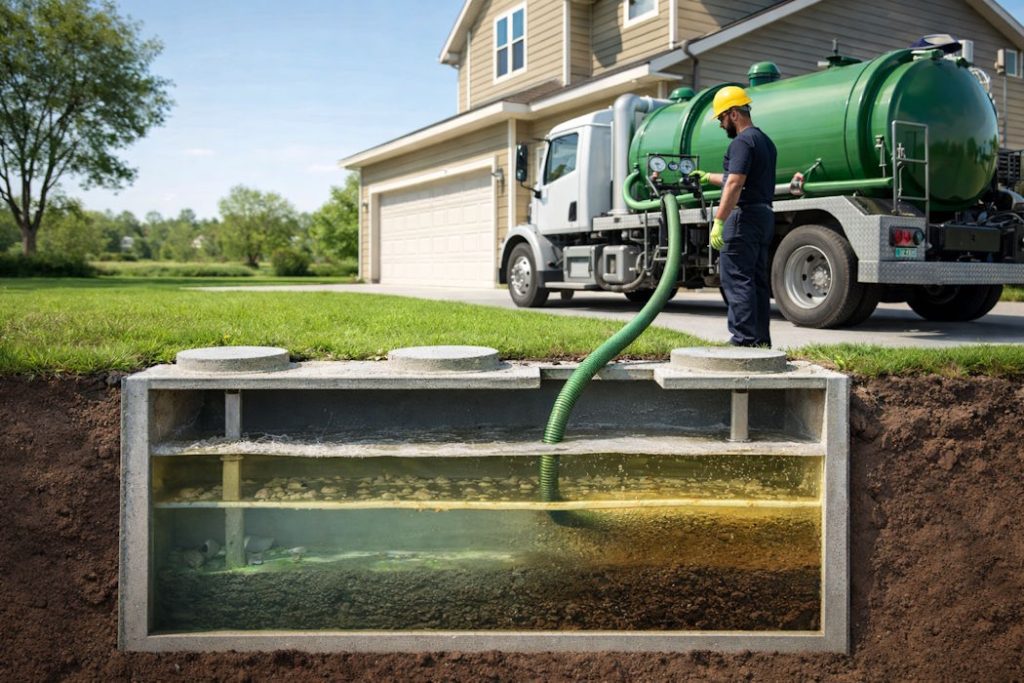
Inside the tank, solids settle to the bottom as sludge, liquids move out to the drainfield, and lighter material floats on top. Over time, the sludge level rises. If you never pump the tank, that sludge can move into the drainfield and damage the entire system.
For most residential homes, a good rule of thumb is to have the tank pumped every three to five years. Busy homes, small tanks, or homes that use a lot of water might need more regular septic pumping.
How Household Size and Tank Size Change Your Schedule
A small family on a large septic tank can often go longer between pumping appointments than a big family living with a modest tank. More people means more water, more waste, and faster buildup.
Think about it this way:
- A small household with a 1,500-gallon tank and careful water use may only need tank cleaning every five years.
- A large family with a 1,000-gallon tank might need services every two to three years to keep the septic system healthy.
If you’re not sure about your tank size or capacity, a quick visit from professionals who provide septic services can give you a clear picture and a custom schedule.
Signs Your Septic Tank Needs Pumping Sooner
Even with a calendar reminder, your home might send you early warning signs that septic tank pumping can’t wait:
- Slow or gurgling drain lines throughout the home
- Sewage smells near indoor drains or outside over the drainfield
- Wet, spongy spots in the yard above the septic tanks or lines
- Toilets that are hard to flush or back up frequently
These are signals that the sludge level may be too high or that the system is under stress. At that point, waiting on tank pumping can risk damage to the drainfield and even your family’s health.
Why Professional Septic Services Matter
It can be tempting to delay septic services, especially when everything still seems to be working. But a full septic tank doesn’t give you much warning before things go wrong. Proper service includes more than just hooking up a tank pump.
When you hire professionals, they can:
- Measure the sludge and scum layers
- Perform basic inspections of lids, baffles, and visible components
- Advise on septic safe cleaning solutions and better water habits
- Confirm how often tank cleaning will be required for your property
That extra information goes a long way toward protecting both your home and your septic system.
Recommended Pumping Intervals for Residential and Commercial Systems
Most residential properties do well with recommended pumping every three to five years, but some need more frequent septic services. Grease-heavy kitchens, rental cabins, or multi-family homes can load the system faster than expected.
For commercial properties, the schedule can be even tighter. Restaurants, small businesses with staff showers, and facilities with heavy water use often need annual or even semi-annual septic pumping. Keeping clear records of each service visit helps you fine-tune the schedule over time.
Get Septic Tank Pumping Done Right the First Time
In the end, the best answer to how often you should schedule septic tank pumping is this: follow a regular schedule based on your usage, listen to what your drain lines are telling you, and don’t wait once you notice problems. A consistent approach to septic services keeps your system running smoothly and protects your property for the long term.
As a drain and septic specialist, Rocket Rooter helps homeowners and businesses plan and complete the septic tank and drain services they need on time, so their systems stay reliable year-round.