
If you’re trying to budget for septic tank service and avoid surprise repairs, it really helps to understand the average septic tank lifespan. Knowing how long your tank is likely to last—and how often to pump septic tank—can make the difference between a system that quietly does its job for decades and one that fails early and expensively.
What Is the Average Septic Tank Lifespan?
There isn’t a single number that fits every property, but most well-installed, well-maintained septic systems fall into some typical ranges:
- Older concrete tanks: often 30–40 years
- Newer high-quality concrete tanks: 40–50+ years in good conditions
- Fiberglass septic and poly tanks: similar or sometimes longer, depending on the tank material, soil, and installation quality
So when people ask about tank lifespan, a good working estimate is 30–40 years for many setups, with the possibility of more when maintenance is done right and the system isn’t abused.
Poor installation, aggressive soil conditions, tree roots, surface traffic over the tank or septic field, and neglect can cut that lifespan in half.
What Factors Affect Septic Tank Lifespan?
A few big things determine how long your septic tank will last:
1. Tank Material
- Concrete tanks are common and durable but can develop cracks from frost, shifting soil, or corrosive gases inside the tank.
- Poly septic tanks can have excellent resistance to corrosion but can be more vulnerable to damage from heavy loads above them.
- Fiberglass septic tanks are lightweight and resistant to rust, but they still rely on good installation and stable soil.
2. Soil and Drain Field Conditions
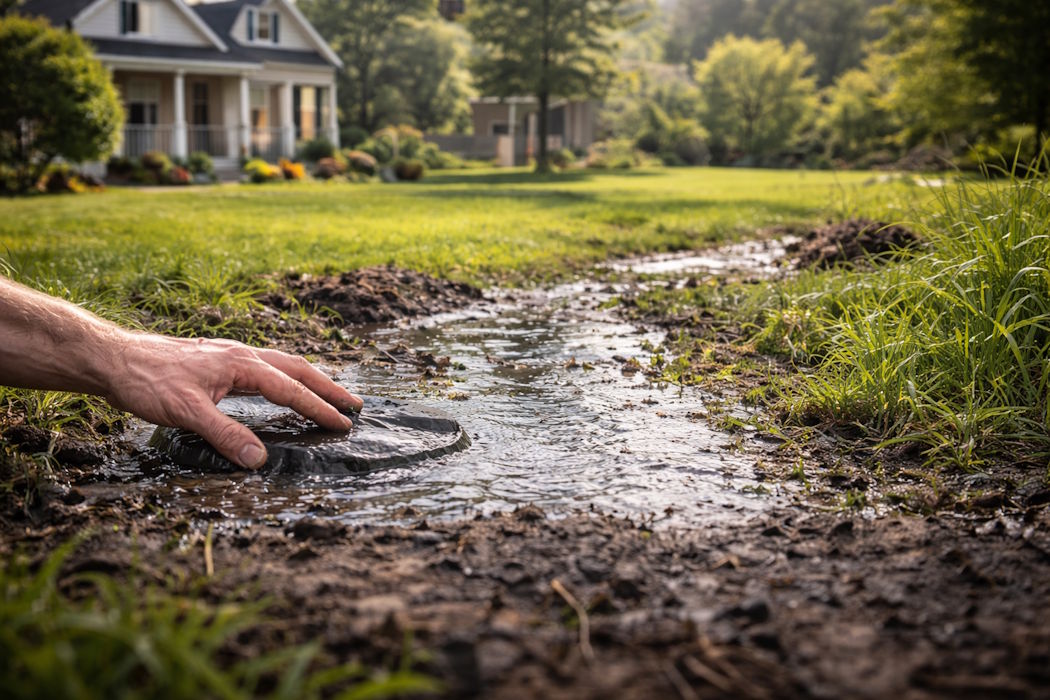
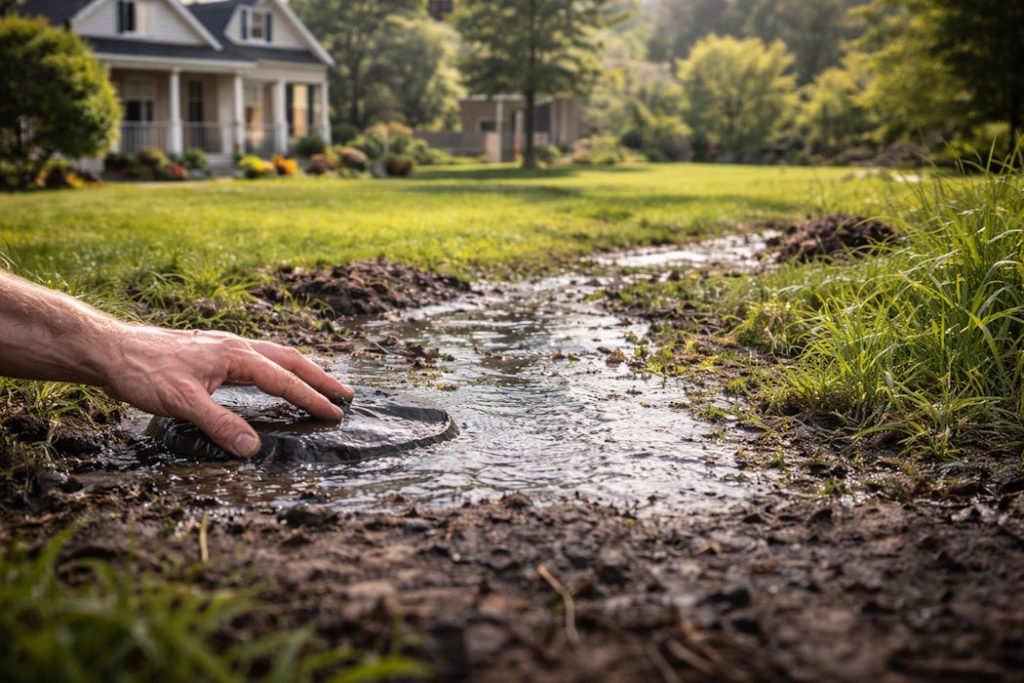
Your septic system depends on the field around it to absorb and treat water. If the septic field is saturated, compacted, or poorly designed, the whole system is stressed. Standing water, soggy spots over the field, or strong odours can signal that the drain area is no longer working the way it should.
3. Tank Maintenance and Pumping
Regular tank pumping is one of the easiest ways to extend tank lifespan. When solids and sludge are allowed to build up, they can wash out to the drain field and clog the soil, which is much harder and more expensive to fix than simple tank maintenance. Skipping services now almost always shortens your septic system life later.
4. What Goes Down the Drain
Harsh chemicals, grease, wipes, and other non-degradable products are rough on both the system and the surrounding environment. Gentle, environmental choices for cleaning and everyday water use help keep everything in balance.
How Often Does a Septic Tank Need Replacing?
With good maintenance, many tanks won’t need tank replacement for several decades. When you hear the “national lifespan average” discussed, that’s usually in the 25–40 year range, but local soil, services, and usage matter a lot.
You don’t replace a septic tank on a fixed schedule the way you might replace a roof. Instead, you monitor its condition over time and look for warning signs that the system is reaching the end of its life.
Can a Septic System Last 100 Years?
In theory, parts of a septic system—especially the drain field in perfect soil conditions—could last a very long time. In reality, 100 years is extremely rare. Changes in plumbing codes, household size, usage patterns, and gradual soil changes usually mean some kind of major repair, tank replacement, or full new installation long before that.
If someone tells you their septic setup has lasted a century, it has likely seen updates, replacements, or significant services along the way.
How to Know When a Septic Tank Needs Replacing
You don’t have to guess. There are clear signs that your septic tank and field may be nearing the end of their useful life. Many start as early warning signs septic problems, such as:
- Sewage backing up into fixtures, even after regular maintenance
- Persistent wet, smelly areas over the field or near the tank
- Frequent need for services that used to be occasional
- Evidence of structural issues—severe cracks, shifting, or damage discovered during inspection
- Contamination concerns, like back flow toward wells or nearby water sources
When repairs stop being a long-term solution and start becoming band-aids, it’s time to talk seriously about tank replacement and possibly treatment upgrades.
Can a Septic Tank Go 20 Years Without Being Pumped?
Technically, some tanks have gone that long without tank maintenance—but it’s usually bad news. Skipping septic services for decades almost always leads to a damaged septic field, backups, and expensive repair or full installation of a new system.
A healthier approach is to follow a regular maintenance schedule, have the tank inspected, and keep up with cleaning and services so you protect both the septic system and your property.
Understanding the average septic tank lifespan helps you plan ahead, avoid emergencies, and know when it’s smarter to invest in repairs or replacement instead of waiting for a failure. As a local drain and plumbing specialist, Rocket Rooter helps property owners with inspections, services, and honest advice so their septic and drain systems stay reliable as long as possible.